December 29th, 2011
Along with other laboratory equipment, the Impact-R has been used in a study by Vaduqanathan, et.al. to evaluate platelet reactivity in patients with metabolic syndrome.
Metabolic syndrome is a combination of several medical conditions that  increase the risk for developing cardiovascular disease and diabetes mellitus. It is also known as Syndrome X, insulin resistance syndrome, and Reaven’s syndrome.
The diagnostic criteria for metabolic syndrome (as defined by International Diabetes Foundation) includes central obesity with any two of the following:
– Raised triglycerides
– Reduced HDL cholesterol
– Raised blood pressure
– Raised fasting plasma glucose
Metabolic syndrome is associated with a prothrombotic state and platelet reactivity can therefore be considered a result. The study by Vaduqanathan, et.al. evaluated the platelet reactivity of patients with metabolic syndrome and their response to aspirin. They concluded that metabolic syndrome increases baseline platelet reactivity and lowers platelet response to aspirin.
Tags: central obesity, fasting plasma glucose, Impact-R, metabolic syndrome, triglycerides
Posted in Disorders & use of Impact R in Research | No Comments »
December 26th, 2011
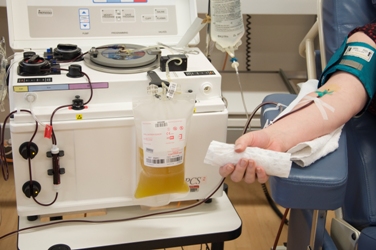
Platelet apheresis concentrates are an invaluable blood product in the treatment of many disorders involving platelet deficiency. Congenital diseases such as Glanzmann’s thrombasthenia, Platelet type von Willebrand disease, and May-Heggelin anomaly, as well as acquired diseases such as Dengue Hemorrhagic Fever rely on platelet transfusions.
 A previous article focused on the testing of platelet concentrates as they are stored in the laboratory facility. A study by Horvath, et.al., however, tested the patient’s blood for platelet function after a platelet transfusion has been done. In many cases, the effect of a platelet transfusion is quantified as an increase in the platelet count and not the platelet function.
The use of Impact-R as a diagnostic and monitoring tool for platelet function is feasible as was concluded by Horvath, et.al.
Tags: apheresis, Glanzmann Thrombasthenia, Impact-R, platelet concentrate, platelet function, transfusion
Posted in Usage of Impact R | No Comments »
December 25th, 2011

Chediak-Higashi syndrome can also be found in killer whales.
Chediak-Higashi syndrome (CHS) is a rare autosomal recessive mutation in the LYST gene. This results in microtubule defects in the cell that causes decreased phagocytosis. The decreased phagocytic activity of the cells in the body leads to recurrent pyogenic infections, skin pigmentation disorders and peripheral neuropathy. Manifestations include neutropenia, oculocutaneous albinism, periodontal disease, and bleeding disorders.
The bleeding disorders are heterogeneous. A study of 8 CHS patients by Al-Sheyyab, et.al. pointed out several mechanisms for the bleeding diathesis in CHS. In one patient, there is abnormal aggregation due to storage pool deficiency (SPD) of ADP and serotonin. In another patient, the aggregation defect resembles that of von Willebrand disease type IIb. Other defects involved the dense bodies and the alpha-granules as well as the platelet membrane.
An avenue of research in the pathophysiology of CHS is therefore opened up by these findings. What are the different platelet defects associated with CHS? What are the different mechanisms leading to an abnormality in platelet aggregation? What is the effect of ristocetin in platelet aggregation and how is this significant in CHS patients. The use of Impact-R will greatly aid the researcher in the investigation of the abovementioned issues.
Tags: bleeding diathesis, Chediak-Higashi syndrome, Chediak-Higashi Syndrome Patients, Impact-R, oculocutaneous albinism, platelet adhesion, platelet aggregation
Posted in Disorders & use of Impact R in Research | No Comments »
December 25th, 2011
What is a screening test? It is a device used to detect disease or a precursor of a disease in persons who do not have signs and symptoms. The decision to screen should be based on a careful history and assessment of risk factors.
Children with a family history of bleeding disorders may well benefit from a

Alexei Nikolaevich, heir to the Russian throne, had Hemophilia B.
screening test. The child’s future health and quality of life will depend on the diagnosis of a serious medical condition ahead of the time when signs and symptoms manifest. Children with a family history of congenital platelet function defects, clotting factor deficiencies, and defects in primary or secondary aggregation are among those that will put a screening test to good use.
A study by Revel-Vilk, et.al. evaluated the use of the Impact-R as a one such screening test. They concluded that the Impact-R is highly effective in excluding a bleeding disorder in patients with normal result. However, in case of abnormal Impact-R results, further testing is necessary to diagnose the condition.
Tags: bleeding disorder, congenital, Congenital Platelet Function Defects, defects in primary and secondary aggregation, Hemophilia B, platelet function, screening test
Posted in Disorders & use of Impact R in Research | No Comments »
December 21st, 2011
The aortic valve is the valve between the left ventricle and the aorta, the main artery. It has three leaflets (tricuspid). When the left ventricle contracts, it pushes blood through the valves and into the aorta. When the left ventricle relaxes, the valves close, preventing the blood from flowing back into the left ventricle.
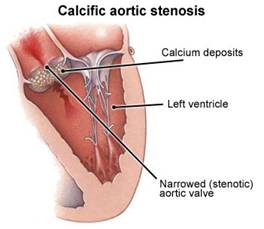 When the aortic opening becomes constricted or stenotic, the blood in the left ventricle cannot be pumped effectively into the aorta. Aortic stenosis (AS) is usually age-related and is caused by progressive calcification of any of the three leaflets of the valve.
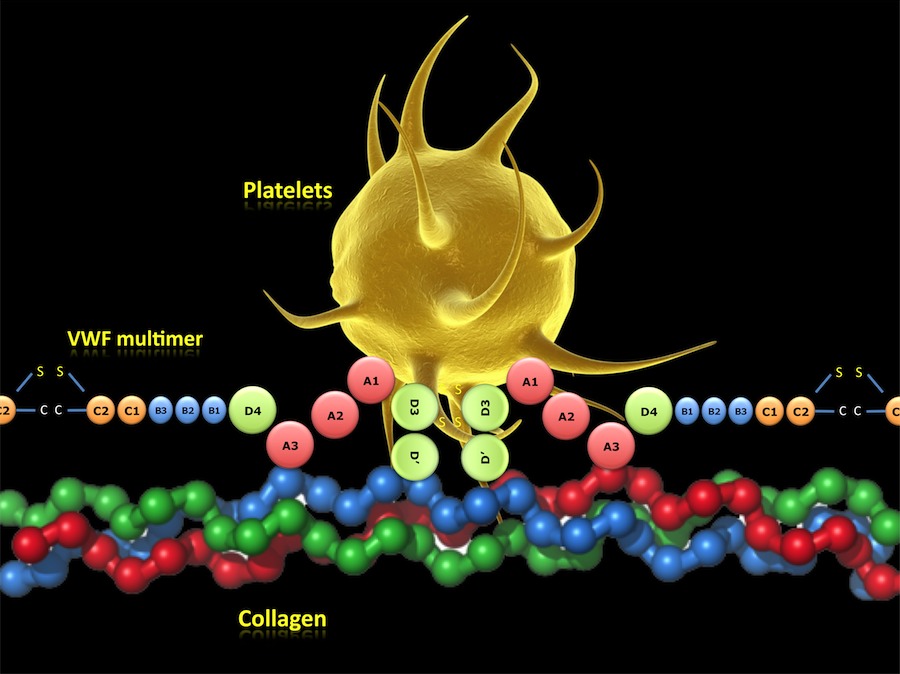
Severe aortic stenosis also causes an acquired form of von Willebrand disease (vWD type 2A). This is due to breakdown of the von Willebrand factor (vWF) by the increased turbulence around the stenotic valve. The increased turbulence causing high shear stress conditions predisposes the vWF to cleavage by an enzyme, ADAMTS-13. This enzyme is the 13th member of the class of enzymes known as a disintegrin and metalloproteinase with a thrombospondin type 1 motif also known as von Willebrand factor-cleaving protease (vWFCP).
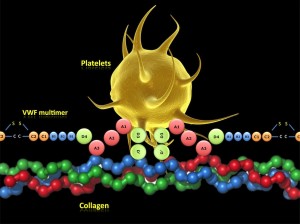 This acquired form of vWD causes bleeding in the AS patient. Whether the bleeding is due to platelet adhesion or to platelet aggregation has not been determined. This is the subject of the study done by Panzer, et.al. using the IMPACT-R machine. The study concludes that reduced levels of large vWF multimers associated with severe AS leads to impairment of both adhesion and aggregation of platelets. An abstract of the study can be found here.
Tags: and III), aortic stenosis, II, platelet adhesion, platelet aggregation, von Willebrand's disease (Type I, vWD type 2A, vWF, vWF multimers
Posted in Disorders & use of Impact R in Research | No Comments »
December 20th, 2011
Philippe Gaucher, A French doctor first described a condition in a 32-year old woman with an enlarged spleen in 1882. This condition would soon be known as Gaucher’s disease and its biochemical nature elucidated in 1965.
Gaucher’s disease (GD) is an autosomal recessive disorder in chromosome 1
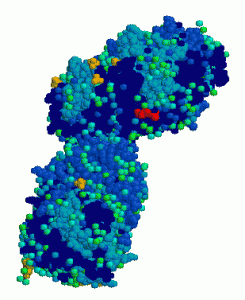
Acid beta-glucosidase.
affecting the enzyme acid beta-glucosidase (a.k.a. lysosomal glucocerebrosidase, glucosylceramidase, D-glucosyl-N-acylsphingosine glucohydrolase). This enzyme catalyses the breakdown of glucosylceramide, a component of the cell membranes of WBC and RBC. When a macrophage phagocytoses the WBC and RBC that are due for destruction, glucosylceramide accumulates in the macrophage and cannot be eliminated. Glucosylceramide can also accumulate in the brain due to the rapid turnover of complex lipids during brain development and myelin sheath formation.
There are three types of GD, types I, II and III, of which type I is the most common and the least debilitating form. Unlike the other two, type I is non-neuropathic. Symptoms and signs are noted early in life or in early adulthood and includes hepatosplenomegaly, frequent infections, anemia, leukopenia and thrombocytopenia, osteoporosis and arthralgias, yellowish-brown skin pigmentation, and frequent ecchymoses and mucosal bleeding. The bleeding symptoms are sometimes noted to be disproportionate to the level of thrombocytopenia.
A research done by Spectre, et.al. proposes to clarify why the degree of mucosal bleeding does not coincide with the platelet count. His team noted that it is a defect in platelet adhesion that may be a potential cause for the bleeding. The study included patients with type I GD (with a platelet count of more than or equal to 130,000 per liter and a hematocrit of more than or equal to 30%) and healthy controls. They noted that type I GD patients had significantly lower platelet adhesion (as determined by IMPACT-R) that was not improved even with enzyme replacement therapy but was improved after splenectomy. Many of these patients also had mucosal bleeding. An abstract of the study can be found here.
Tags: Gaucher's disease, hepatosplenomegaly, Impact-R, mucosal bleeding, Thrombocytopenia
Posted in Disorders & use of Impact R in Research | No Comments »
December 20th, 2011
What is FMD?
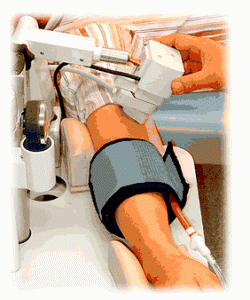
Brachial artery scanning to measure FMD.
Flow-Mediated Dilatation is the increase in calibre of a blood vessel in response to increased blood flow. This was first described by Schretzenmayr. FMD is endothelium dependent, wherein the endothelium acts as a mechanotransducer that senses changes in shear stress and then determines the release of dilatators. Several dilator factors have been proposed to be involved in FMD: prostaglandins , ATP or an endothelium-derived hyperpolarizing factor, and nitric oxide (NO). An increased release of NO in response to increases in shear stress causes dilatation of underlying smooth muscle of conduit arteries.
Why is FMD significant?
A decreased FMD reflects endothelial dysfunction and may predict coronary artery disease in susceptible patients. The brachial artery FMD can be measured by ultrasound scan and acts as surrogate for the coronary vasculature which can only be assessed by more invasive methods.
How is FMD related to platelet reactivity?
Another effect of NO released by the endothelium under increased shear stress is decrease of platelet reactivity. Does it follow, therefore, that if decreased FMD determines endothelial dysfunction and decreased NO release, it also determines an increased platelet reactivity?
A study by Shechter, et.al. explores the association between platelet reactivity and brachial artery FMD in controls (without established cardiovascular disease) and in patients with acute myocardial infarction. Platelet reactivity was measured by conventional aggregometry and by the IMPACT-R machine. The study concludes that FMD is inversely correlated to platelet reactivity in both controls and AMI patients. An abstract of the said study can be found here.
Tags: diabetes mellitus, endothelial dysfunction, FMD, nitric oxide, platelets
Posted in Disorders & use of Impact R in Research | No Comments »
December 17th, 2011
One of the risk factors for cardiovascular disease is Diabetes. In fact, there is a 2-4 fold increase in the risk of dying from heart disease if the patient is diabetic. One of the reasons is increased production of thromboxane which is a vasoconstrictor and at the same time promotes platelet aggregation.

Acetylsalicylic acid (Aspirin).
Aspirin, or acetylsalicylic acid is a non-steroidal anti-inflammatory drug that has many effects. It is an anti-pyretic, an analgesic and, an anti-inflam-matory drug. It also acts as an anti-platelet because it irreversibly inhibits the formation of thromboxane through the cyclooxygenase I pathway.
The American Diabetes Association and the American Heart Association have endorsed the following guidelines: “Aspirin may be used in women over 60 and men over 50 who have diabetes mellitus who have other risk factors for heart attack and stroke.”
A study by Spectre, et.al. showed that twice daily dosing of aspirin improved the laboratory outcomes in high-risk DM II patients. The laboratory parameters used were impedance aggregometry (WBA) and the IMPACT-R (CPA). An abstract of the study can be found here.
Tags: aspirin, diabetes mellitus, DM II, heart attack, Impact-R, stroke, T2DM, thromboxane
Posted in Disorders & use of Impact R in Research | No Comments »
December 15th, 2011
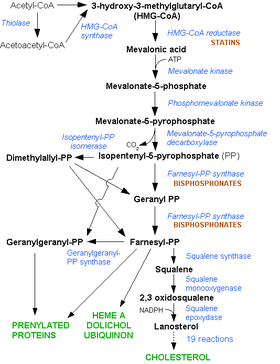
Statins are a class of drugs that lower blood cholesterol by inhibiting the enzyme HMG-CoA reductase. This enzyme, found in the liver, plays an important role in the production of cholesterol. It reduces HMG-CoA to mevalonate, and this conversion is the rate-limiting step in cholesterol biosynthesis.
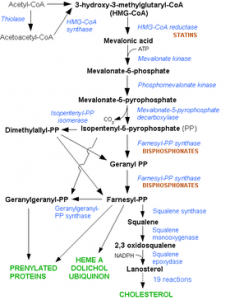
HMG-CoA reductase pathway and drugs that inhibit the various steps (in red).
Statins act by competitive inhibition of HMG-CoA reductase since the statins are molecularly similar to HMG-CoA. Statins are used to lower cholesterol levels in patients who have tried diet and lifestyle modifications but still have high levels of cholesterol.
Medical use of statins is to decrease mortality in patients with preexisting cardiovascular disease and those who are high-risk for developing heart disease. Researchers propose four mechanisms for reduced cardiovascular events in patients taking statins:
- Improve endothelial function
- Modulate inflammatory responses
- Maintain plaque stability (in atheromas)
- Prevent thrombus formation
It is the 4th mechanism that is the subject of a study by Matetzky, et.al., which examined the effects of statins on platelet adhesion and aggregation. This study utilized the IMPACT-R to determine aggregate size and surface coverage of platelets taken from hypercholesterolemic and STEMI (ST-elevation myocardial infarction) patients treated with statins as compared to patients not treated with statins. An abstract of the study can be found here.
Tags: atheroma, cholesterol, HMG-CoA, HMG-CoA reductase, hypercholesterolemia, Impact-R, myocardial infarction, platelet adhesion, platelet aggregation, statins, STEMI
Posted in Disorders & use of Impact R in Research, Usage of Impact R | No Comments »
December 14th, 2011
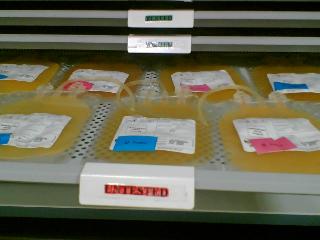
One cannot discount the importance of platelet concentrates as a treatment for many bleeding disorders. Many patients with platelet dysfunctions rely on platelet transfusions. A case in point, platelet concentrates are a lifesaving measure in patients with Dengue Hemorrhagic Fever.
Platelet concentrates are ideally transfused as soon as they are collected but can be stored for up to 5 days when kept on a rotator at 20-24 degrees Celsius. It is important that platelets be kept in continuous gentle rotation to keep them suspended in plasma and prevent aggregation.
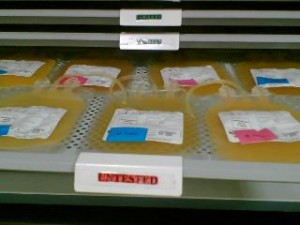
Issues with transporting and storing platelets may be a stumbling block in areas where a pheresis machine is not readily available. Platelet concentrates are expensive to obtain and its use should be optimized. One way to make sure that the platelet concentrates are still potent is through testing and monitoring its adhesion and aggregation capabilities. Studies have been done using the IMPACT-R machine as a monitoring tool. An abstract of one such study can be found here.
Tags: Impact-R, pheresis, platelet concentrate, platelet rotator, platelet transfusion
Posted in Usage of Impact R | No Comments »
 increase the risk for developing cardiovascular disease and diabetes mellitus. It is also known as Syndrome X, insulin resistance syndrome, and Reaven’s syndrome.